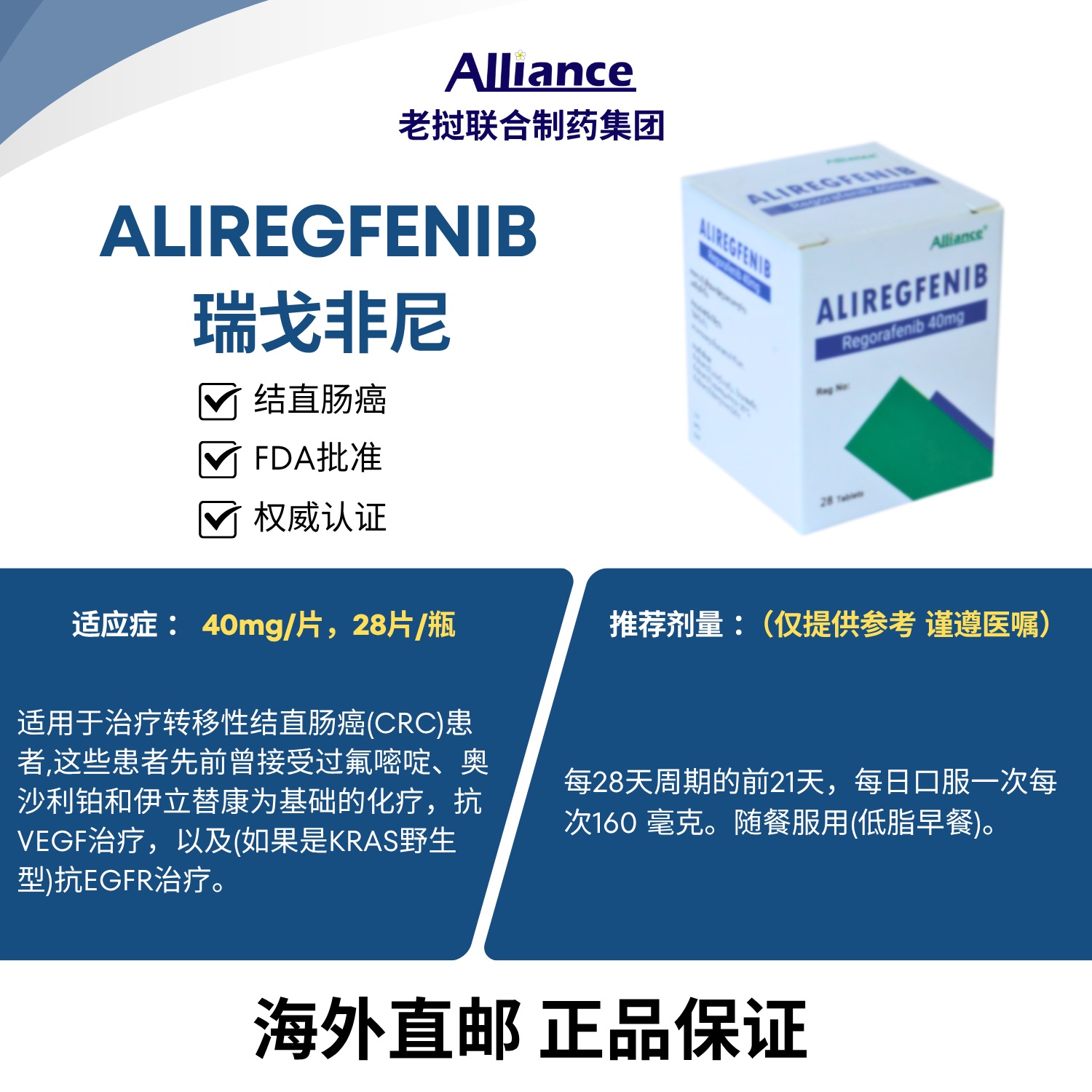
Indicated for the treatment of adult patients with metastatic colorectal cancer (mCRC) who have previously received chemotherapy based on fluorouracil, oxaliplatin and irinotecan, and who have previously received or are not suitable for anti-VEGF therapy and anti-EGFR therapy (RAS wild-type). Indicated for the treatment of adult patients with locally advanced, unresectable or metastatic gastrointestinal stromal tumors (GIST) who have previously received imatinib mesylate and sunitinib malate therapy. Indicated for the treatment of adult patients with hepatocellular carcinoma (HCC) who have previously received sorafenib therapy.
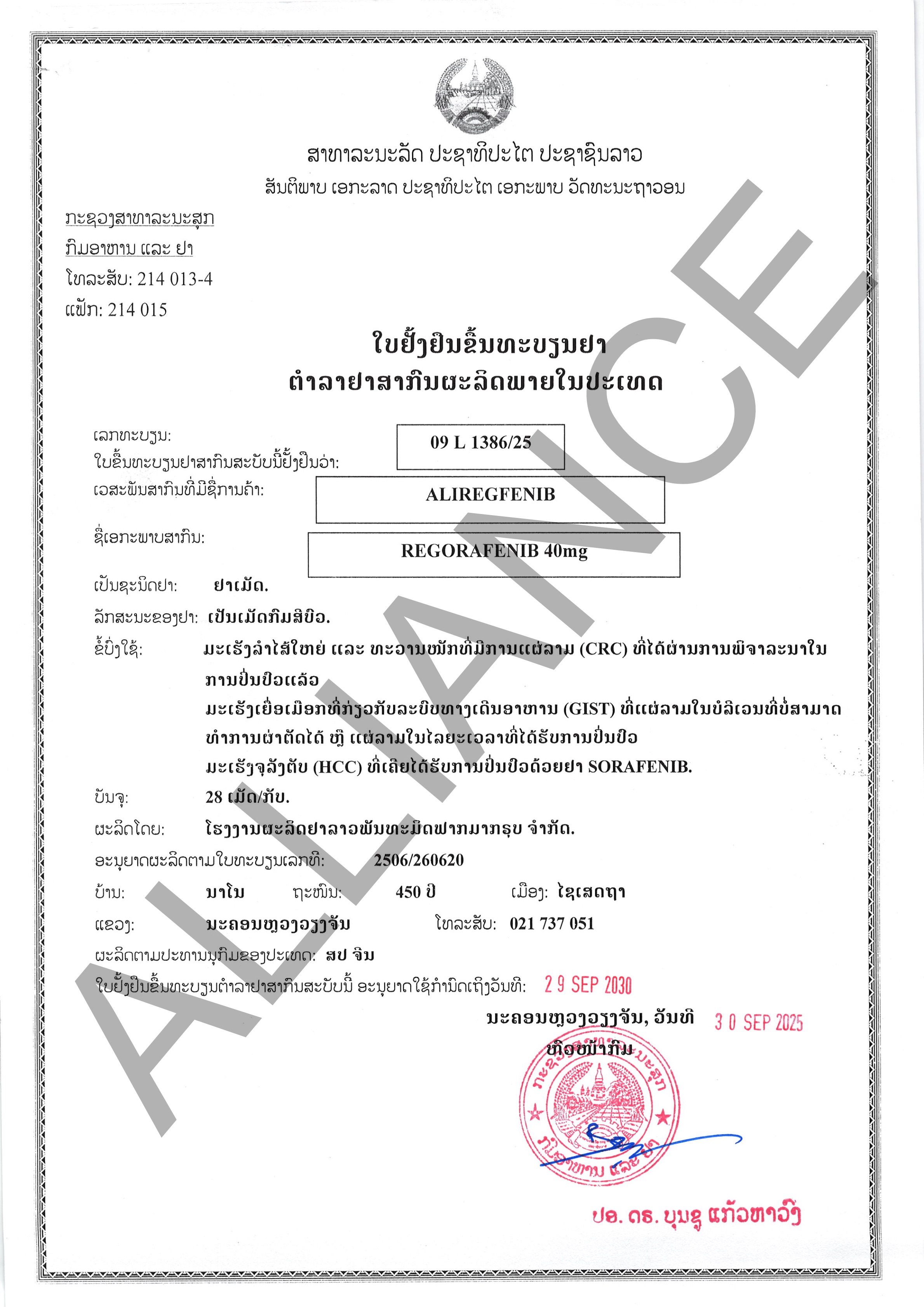
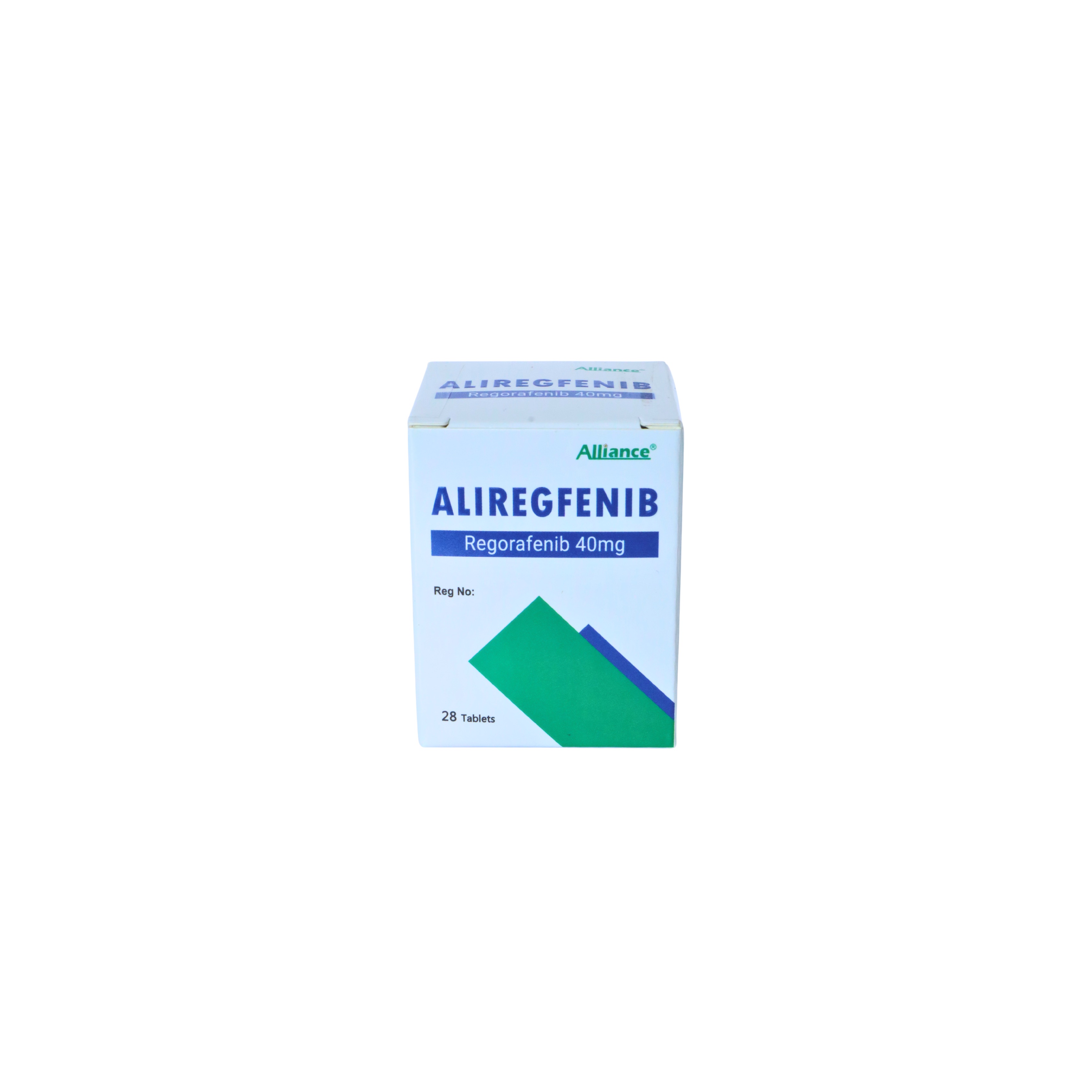
瑞戈非尼Regorafenib 40mg

¥580.00
售价:¥580.00
销量:269 件
Indications
Dosage and Administration
1. Recommended Dose The recommended dose is 160 mg (4 tablets, each containing 40 mg regorafenib) orally once daily, taken on the first 21 days of each 28-day treatment cycle. Continue treatment until the patient no longer derives clinical benefit or experiences unacceptable toxicity. Regorafenib tablets should be taken at the same time each day, swallowed whole with water after a low-fat breakfast (30% fat content). Patients should not take two doses in one day to make up for a missed dose from the previous day. If vomiting occurs after taking regorafenib, no additional dose should be taken on the same day. 2. Dose Adjustment Interrupt regorafenib treatment in the following situations: Grade 2 hand-foot skin reaction (HFSR) [palmar-plantar erythrodysesthesia syndrome (PPES)] that recurs or does not improve within 7 days despite dose reduction; interrupt treatment for at least 7 days for Grade 3 HFSR. Grade 2 hypertensive symptoms. Any Grade 3 or 4 adverse reaction. Worsening of infection of any severity. Reduce the dose of regorafenib to 120 mg in the following situations: First occurrence of Grade 2 HFSR of any duration. After resolution of any Grade 3 or 4 adverse reaction (except infection). For Grade 3 elevated aspartate aminotransferase (AST)/alanine aminotransferase (ALT), when the potential benefit outweighs the risk of hepatotoxicity. Reduce the dose of regorafenib to 80 mg in the following situations: Recurrence of Grade 2 HFSR at the 120 mg dose level. After resolution of any Grade 3 or 4 adverse reaction (except hepatotoxicity or infection) at the 120 mg dose level. For Grade 3 elevated AST/ALT, when the potential benefit outweighs the risk of hepatotoxicity. Permanently discontinue regorafenib in the following situations: Intolerance to the 80 mg dose. AST/ALT levels exceeding 20 times the upper limit of normal (ULN). Any AST or ALT level exceeding 3 times the ULN, accompanied by bilirubin exceeding 2 times the ULN. Recurrence of AST or ALT levels exceeding 5 times the ULN despite dose reduction to 120 mg. Any Grade 4 adverse reaction; resumption of regorafenib may be considered only if the potential benefit outweighs the risk.
Precautions
Liver Function Monitoring: It is recommended to perform liver function tests (ALT, AST and bilirubin) prior to the initiation of treatment, and monitor closely (at least once every two weeks) within the first 2 months of treatment. Thereafter, monitoring should be conducted regularly at least once a month or as clinically indicated. Hepatic Impairment: Regorafenib is not recommended for use in patients with Child-Pugh Class C hepatic impairment, as no studies have been conducted in this population and drug exposure may be increased. Infection: Consider interrupting regorafenib treatment if infection worsens. Esophageal Varices: For patients with cirrhosis, screening and subsequent management of esophageal varices should be performed in accordance with standard treatment practices. If severe bleeding requiring emergency medical intervention occurs, permanent discontinuation of regorafenib should be considered. Gastrointestinal Perforation or Fistula: Discontinue regorafenib in patients who develop gastrointestinal perforation or fistula. Ischemic Heart Disease: Patients with a history of ischemic heart disease should be monitored for clinical signs and symptoms of myocardial ischemia. For patients who develop myocardial ischemia and/or infarction, interrupt treatment until recovery. The decision to restart regorafenib should be made after careful consideration of the potential benefits and risks for the individual patient. Permanent discontinuation is required if recovery does not occur. Hypertension: Temporarily or permanently discontinue regorafenib for severe or uncontrolled hypertension. Embryo-Fetal Toxicity: Women of childbearing potential must be informed that regorafenib may cause fetal harm. Both women of childbearing potential and men should use effective contraception during treatment and for 8 weeks after treatment cessation. Pregnancy and Lactation: Regorafenib should not be used during pregnancy unless the potential benefit to the mother justifies the potential risk to the fetus after careful consideration. Breastfeeding must be discontinued during treatment.
Adverse Reactions
The most common adverse reactions are: pain, hand-foot skin reaction, asthenia/fatigue, diarrhea, decreased appetite and reduced food intake, hypertension, and infection.
Packaging
28 tablets per bottle.
Storage
Store at room temperature below 25℃. Keep out of the reach of children.
评论
添加评论
请登录后发表评论
暂无评论